
Integrated Command and Control Centre (ICCC): what it is, how it works and how we build one.
ICCC stands for Integrated Command and Control Centre — one operations room where cameras, sensors, vehicles, gates and other field systems come together on one screen, so a trained team can see what is happening, act on alerts and report on performance. SMIPL designs, builds and operates ICCCs end to end, from room layout and video wall to AI analytics, integrations and 24×7 operations — including India's first AI-enabled ICCC for the coal sector. This page explains how an ICCC works, what goes into one and how to plan it.
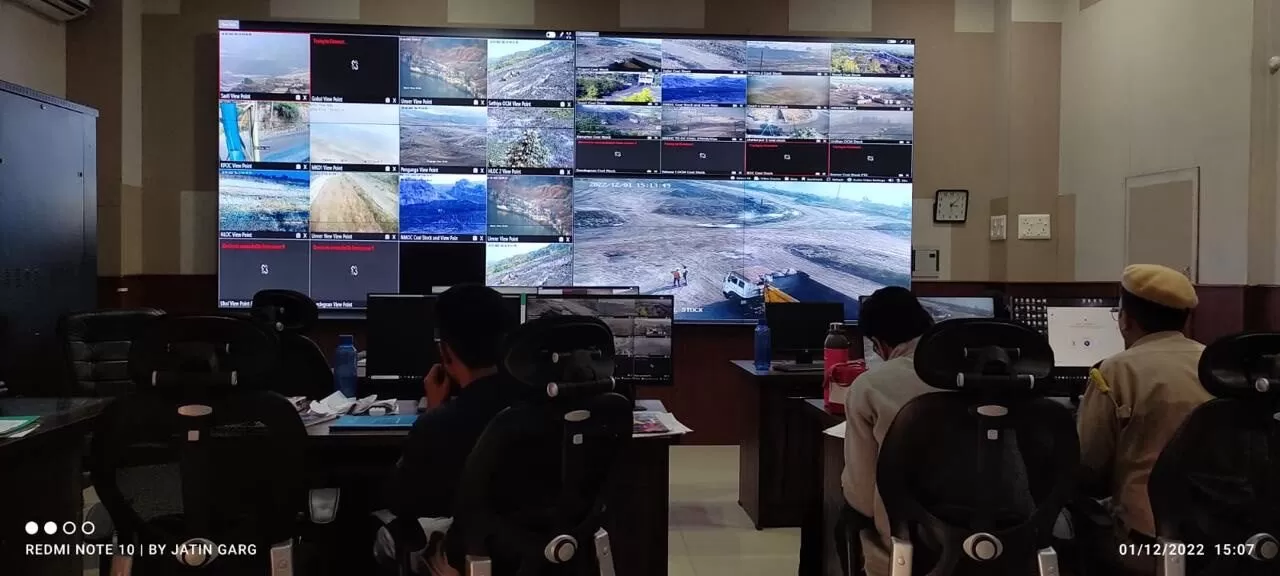
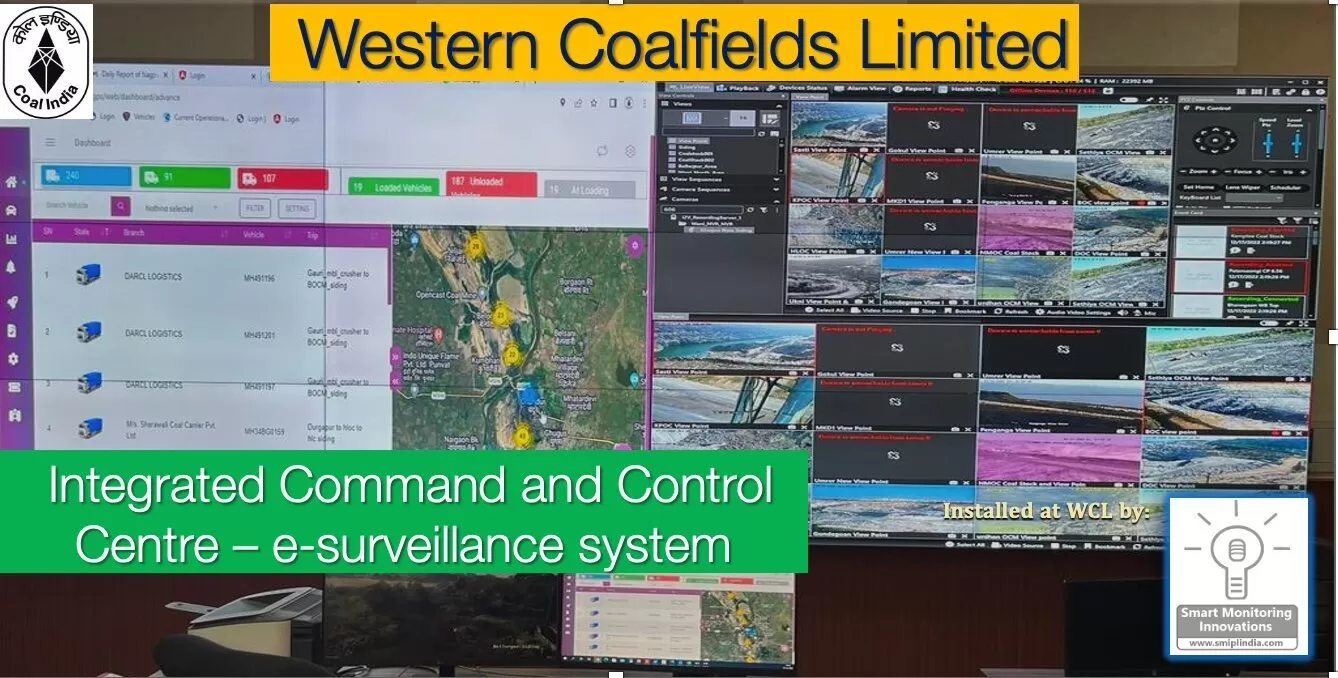
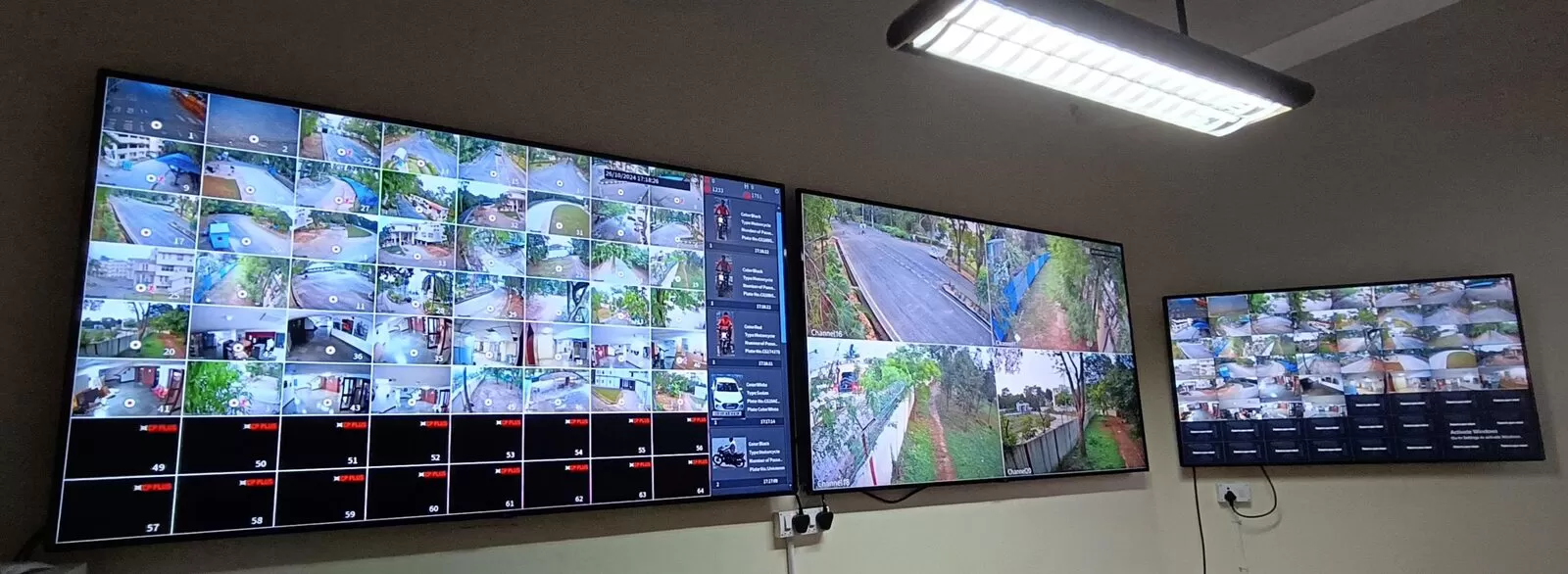
ICCC full form: Integrated Command and Control Centre.
The full form is the same whether you meet the term in a smart-city plan, a police project or a mining tender. What changes is what the centre integrates and who sits in it.
Integrated
Many separate systems — CCTV, traffic signals, GPS, RFID gates, weighbridges, sensors, SCADA — feed one platform instead of being watched on separate screens in separate rooms.
One platformCommand
Decisions are taken from one place: who responds to an alert, which team is dispatched, when an incident is escalated to senior officers.
Decisions · SOPsControl
Operators can act on field systems — move a PTZ camera, open or hold a boom barrier, broadcast a message — and every action is logged.
Action · Audit trailCentre
A purpose-built room with a video wall, operator consoles, servers, network and backup power, staffed in shifts — often 24×7.
Room · People| Where you hear "ICCC" | What it typically integrates | Typical purpose |
|---|---|---|
| Smart cities | City CCTV, traffic management, water supply, solid waste, public transport | City operations and emergency response |
| Police and public safety | City surveillance cameras, ANPR, traffic systems, emergency response | Law and order, traffic enforcement, incident response |
| Mines and PSUs | Area CCTV, AI analytics, RFID gates, weighbridges, GPS vehicle tracking | Security, safety, anti-pilferage and dispatch visibility |
| Power plants and industry | Perimeter CCTV, access control, fire alarms, SCADA alarms | Plant security, safety and operations monitoring |
How an ICCC works, from field device to response.
Most ICCCs, large or small, can be described in six layers. Weakness in any one layer — usually connectivity or SOPs — limits the whole centre.
Field devices
IP and PTZ cameras, ANPR cameras, RFID readers, boom barriers, GPS devices in vehicles, weighbridges, sensors and SCADA/PLC systems.
Connectivity
Optical fibre, radio links, MPLS or leased lines carrying video and data from every site to the centre — with local recording so footage continues to be recorded at site when a link drops.
Platform
Video management system (VMS), recording servers and storage, and the ICCC software that brings video, events and data from different systems into one view.
Intelligence
AI video analytics, rules and correlation — for example a loaded truck seen on camera without a matching weighbridge entry — turning raw feeds into alerts.
Command floor
Video wall, GIS map, operator consoles and dashboards where trained operators watch, verify alerts and act.
Response and reporting
Standard operating procedures, escalation matrices, alerts to field teams and officers, and daily or monthly reports for management and audit.
ICCC components — a practical checklist.
Use this list when preparing a scope, BOQ or tender so nothing is left to a later variation order.
Video wall and controller
Display panels sized for the number of feeds operators must see at once, with a controller for flexible layouts.
DisplayICCC software and VMS
ONVIF-compliant VMS so cameras of different makes work together, plus command software for events, GIS and workflows.
SoftwareAnalytics servers
GPU servers or edge devices that run AI video analytics on live streams.
AI computeRecording and storage
Local NVRs at each site plus central storage, sized for the retention period. Use our CCTV storage calculator for a first estimate.
StorageNetwork and security
Managed switches, firewall, VLAN segregation, role-based access and audit logs — ISO 27001-style controls for sensitive data.
Network · CyberPower and earthing
UPS with battery backup, lightning protection and earthing so the centre keeps running through power disturbances.
PowerOperator workstations
Multi-monitor consoles, ergonomic 24×7 furniture, lighting and acoustics designed for long shifts.
ErgonomicsIntegrations
APIs to RFID boom barriers, GPS vehicle tracking, weighbridges, access control, SCADA and enterprise dashboards.
APIPeople and SOPs
Trained operators in shifts, written SOPs for each alert type, escalation matrix and an O&M contract with uptime commitments.
OperationsFrom SMIPL's coal-sector ICCCs: 55-inch commercial video-wall panels with controller, 64-channel NVRs at each site, GPU-accelerated analytics servers, 24-port L3 managed switches with VLAN segregation, and 30 kVA UPS with lightning protection and chemical earthing — every element specified, supplied, integrated and supported by SMIPL.
What an ICCC dashboard actually shows.
A good dashboard answers three questions at a glance: what is happening now, what needs action, and are we meeting our targets. A typical layout:
Where ICCCs are used in India today.
Smart cities
According to the Government of India, all 100 Smart Cities have operational ICCCs. They served as COVID-19 war rooms during the pandemic, and intelligent transport systems are monitored through them.
Source: PIB, Sept 2024Coal mines and PSUs
SMIPL built India's first AI-enabled ICCC for the coal sector at Western Coalfields (500+ cameras) and an ICCC for South Eastern Coalfields (800+ cameras) — both run 24×7. Read the WCL case study.
SMIPL deploymentsPower, industry and campuses
Plants, airports and large campuses use command centres to watch perimeters, gates and critical areas, and to bring fire, access and SCADA alarms into one place.
Industrial · InstitutionalSmart-city figures: Press Information Bureau, Government of India, document on the Smart Cities Mission, September 2024.
Seven steps to an ICCC that people actually use.
Start with use cases
List the incidents and decisions the centre must handle — theft, intrusion, safety, dispatch — before choosing hardware.
Survey what exists
Existing cameras, NVRs, RFID, GPS and network. Reusing ONVIF-compliant assets saves cost.
Fix connectivity first
Bandwidth and reliability from each site decide what the centre can see live.
Pilot the analytics
Test AI analytics on your own cameras and conditions before scaling. See AI video analytics.
Size the room and team
Video wall, consoles and operators per shift follow from alert volume, not camera count alone.
Write SOPs and escalation
Every alert type needs an owner, a response time and a closure record.
Contract for operations
Multi-year O&M with uptime targets, spares and trained operators keeps the centre working after handover.
How an ICCC differs from a control room and a NOC.
| CCTV control room | NOC | ICCC | |
|---|---|---|---|
| Main focus | Watching camera feeds | Health of IT and network systems | Operations, security and response across many systems |
| Systems integrated | Mostly CCTV | Servers, links, devices | CCTV, analytics, GPS, RFID, weighbridge, sensors, SCADA |
| Typical output | Recorded footage | Uptime and fault tickets | Alerts, decisions, dispatch and management reports |
| Scale | Usually one site or building | The IT and network estate | One large site up to city-, district- or enterprise-wide, often multi-site |
Many ICCCs also include a NOC function that watches the health of cameras, recorders and network links.
Five stages.
End-to-end ownership.
From the first site survey to multi-year operations and maintenance after commissioning, one SMIPL team is accountable at every stage.
Discovery & Site Survey
Physical site audit, existing-infrastructure assessment, connectivity mapping, threat modelling and scope definition.
Design & Engineering
ICCC room design, rack elevation, video-wall configuration, network topology, power & cooling design, API/integration spec.
Supply & Fabrication
In-house panel fabrication, OEM procurement, staging, factory acceptance testing (FAT), pre-delivery QC.
Install & Commission
Civil prep, rack installation, cabling (EIA/TIA), lightning protection, chemical earthing, software configuration, SAT.
Operate & Support
24×7 staffed operations (typical 3 operators × 3 shifts), CAMC 5+ years, OEM-certified spares, quarterly audits.
Live ICCC facilities engineered by SMIPL.
Operational command centres currently running 24×7 across Coal India and other critical-infrastructure clients.
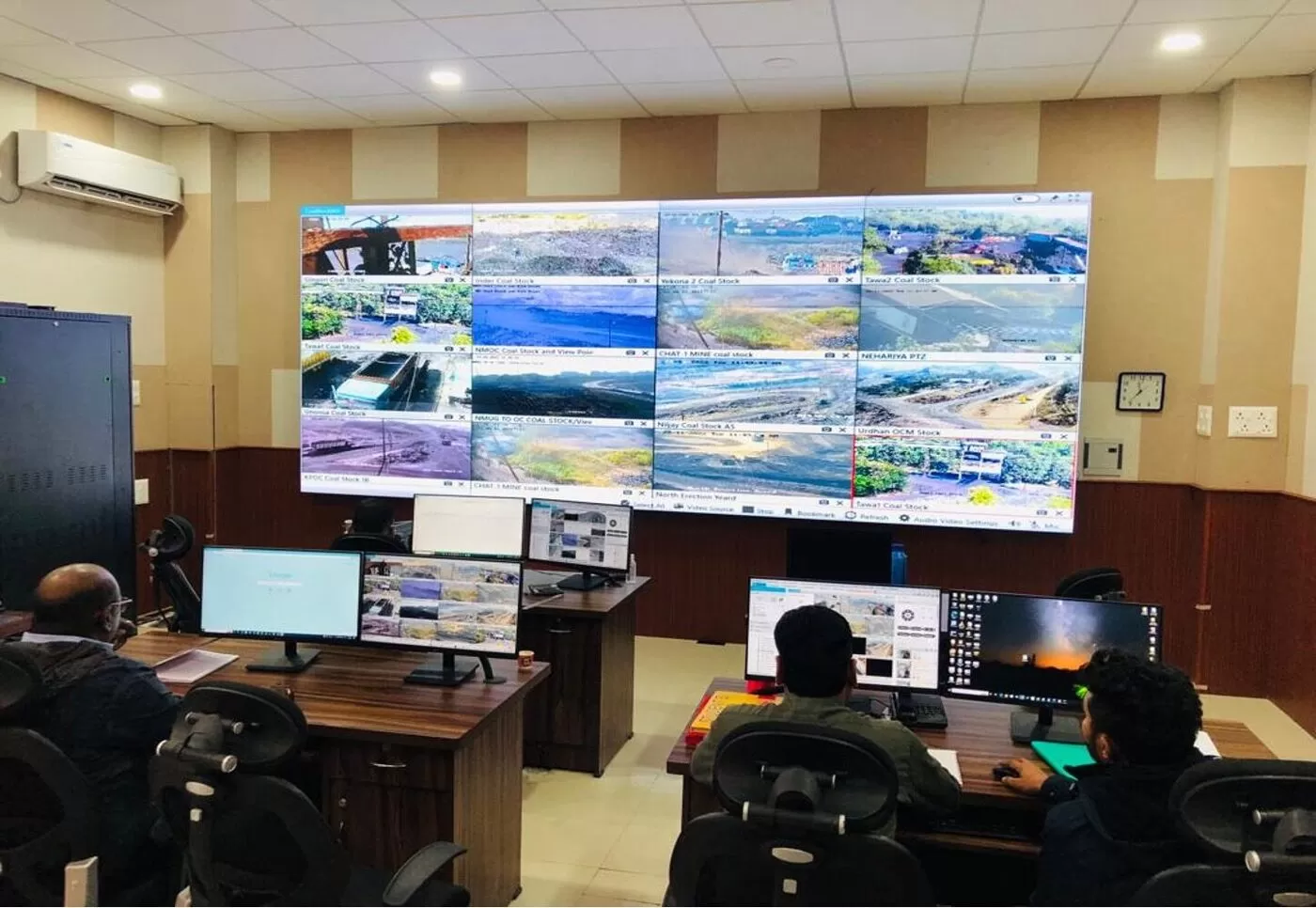
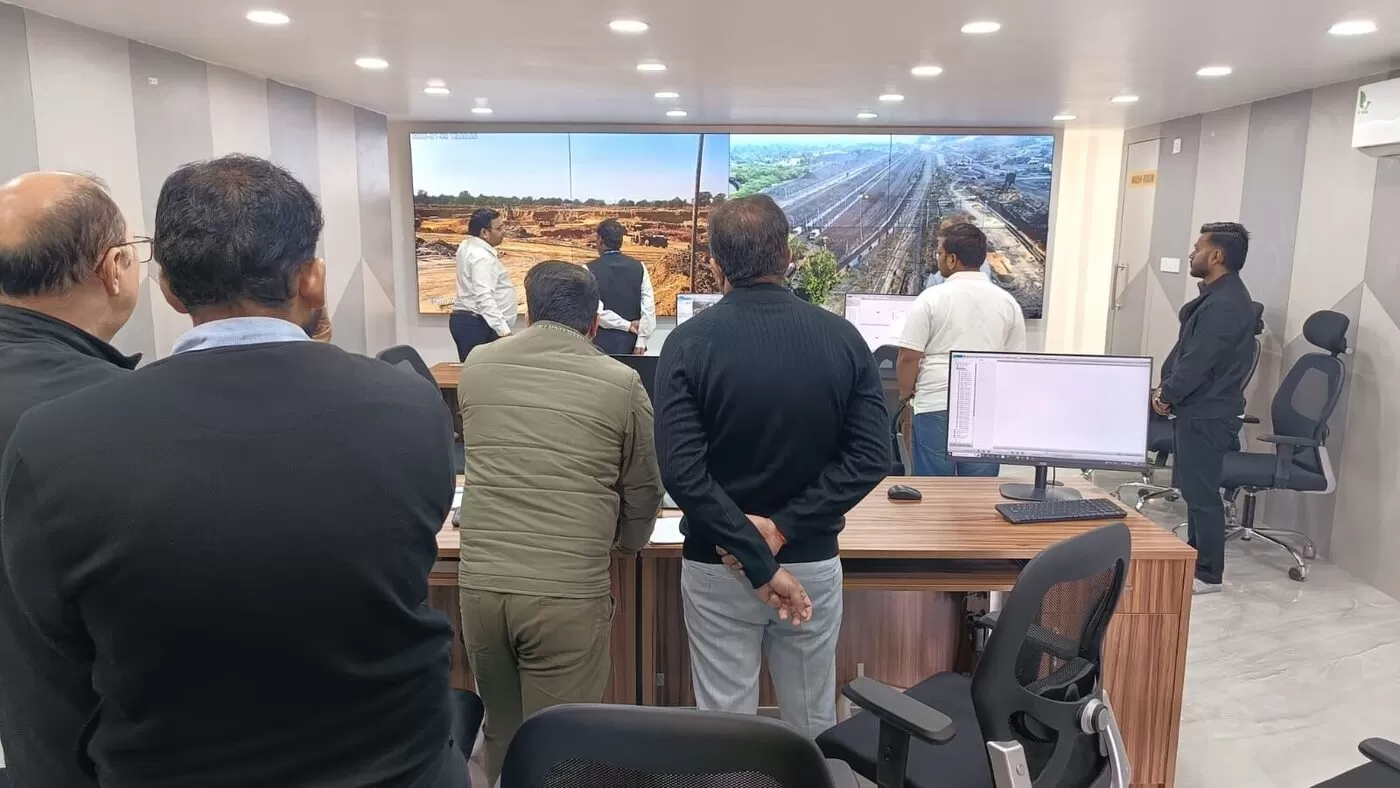

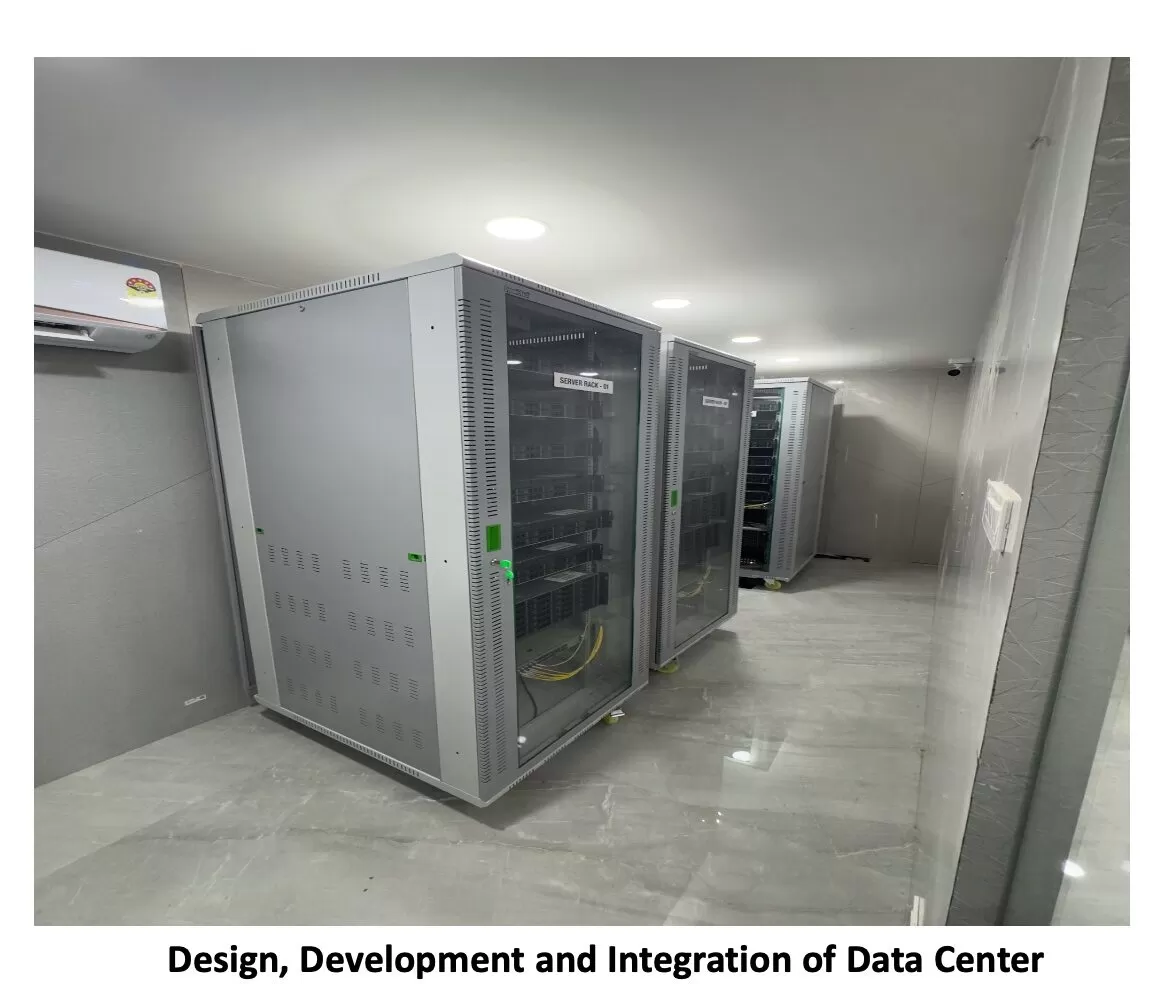
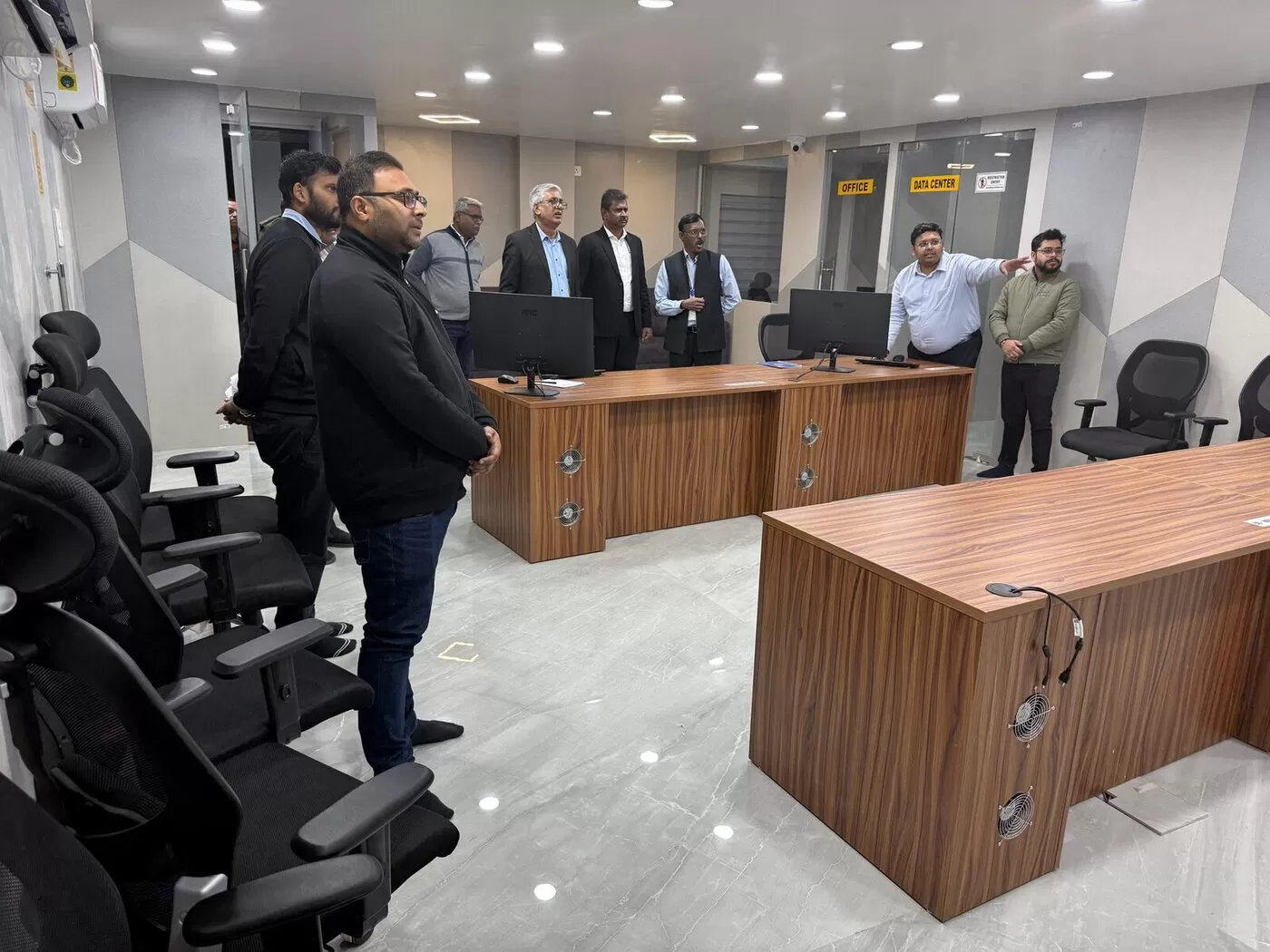
The ICCC that monitors the world's 2nd and 3rd largest coal mines.
SMIPL's SECL ICCC brings 800+ cameras across multiple operational Areas onto one command floor, with video walls, AI analytics servers, site NVRs and 24×7 staffed operations — federated with RFID, GPS and weighbridge systems.
Read the SECL Case Study →
ICCC questions people actually ask.
What is the full form of ICCC?
ICCC stands for Integrated Command and Control Centre. The same expansion is used in smart cities, police and public-safety projects, mines, PSUs and industry.
What does an ICCC do?
An ICCC brings cameras, sensors, vehicles, gates and other field systems onto one platform so that trained operators can see what is happening, respond to alerts through set procedures and report on performance. It turns many separate systems into one operating picture.
What is an ICCC dashboard?
It is the screen view operators and officers use: live video tiles, a GIS map of sites and vehicles, an alert queue, device health, vehicle and safety KPIs, uptime against the SLA, and shift and monthly reports.
What is the difference between an ICCC and a CCTV control room?
A control room mainly watches and records camera feeds. An ICCC integrates many systems — CCTV, AI analytics, GPS, RFID, weighbridges, sensors — and adds alert workflows, escalation and reporting across one or more sites.
How long does it take to build an ICCC?
In SMIPL's experience, from purchase order to commissioning a single-site ICCC of 200–500 cameras typically takes 4–6 months. A multi-Area federation typically takes 9–15 months, depending on civil readiness, fibre laying and analytics tuning.
How many ICCCs are there in India?
According to the Government of India, all 100 Smart Cities under the Smart Cities Mission have operational ICCCs. Many PSUs, police departments, mines and industrial sites run their own command centres as well.
Can existing CCTV cameras be connected to a new ICCC?
Usually yes, if the cameras are ONVIF-compliant IP cameras and the network can carry their streams. A site survey confirms which existing cameras, NVRs and systems can be reused.
Does SMIPL design and build ICCCs?
Yes. SMIPL designs, builds and operates ICCCs end to end — video wall, VMS, AI analytics, network, power and 24×7 staffing — including India's first AI-enabled ICCC for the coal sector at WCL and the SECL ICCC. See the WCL case study.
Planning a command centre? Start with a site survey.
Share your sites, existing systems and what the centre must achieve. SMIPL will respond with a survey plan, a draft architecture and a BOQ approach — for PSU, government and industrial projects anywhere in India.